Balkan news without the globalist spin


Please follow us on Truth Social, X, YouTube, Minds, Telegram, Rumble, GETTR, Gab, Instagram
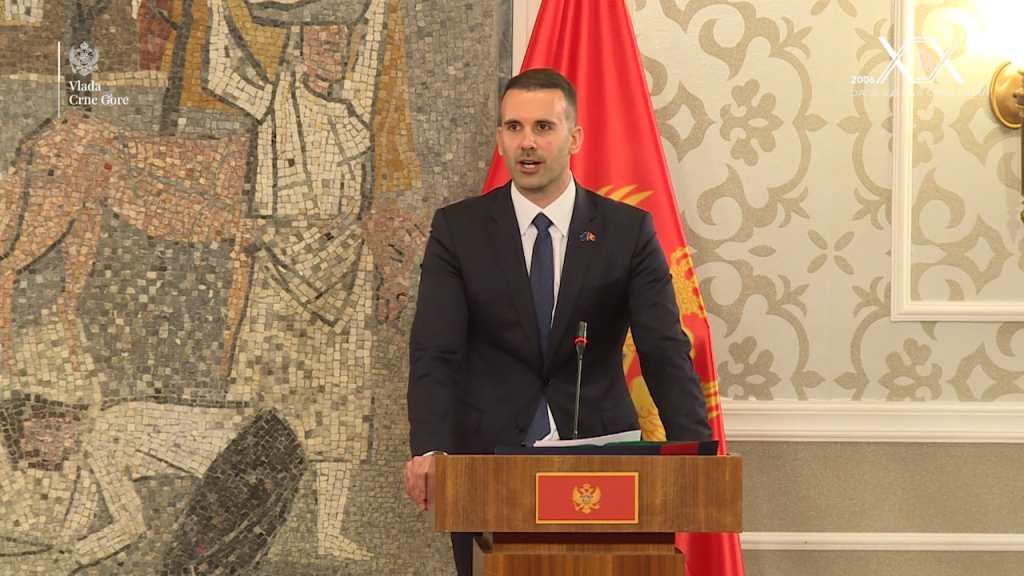
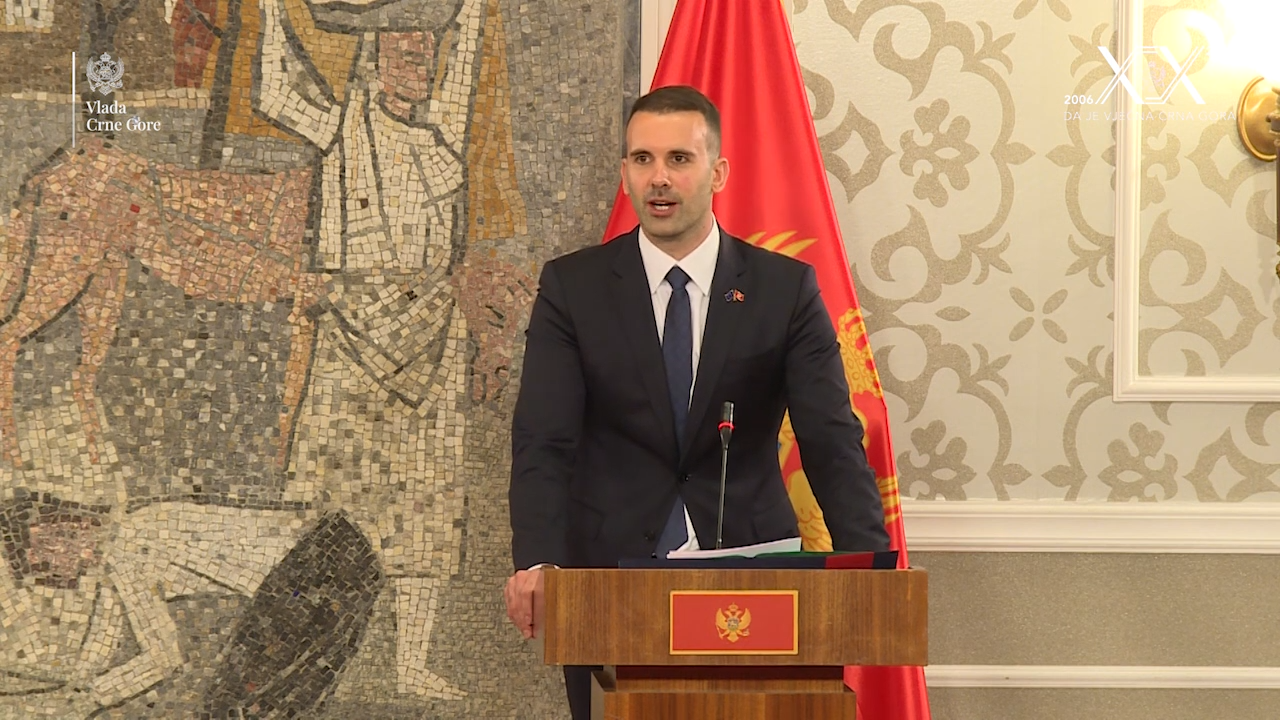
Prime Minister Milojko Spajić’s announcement of the “Euro Model” starting in January 2027 represents one of the most ambitious and boldest economic moves in Montenegro’s recent history. A minimum net salary of €1,000 for jobs requiring primary or lower education, €1,250 for secondary education, and €1,400 for higher education, combined with a further reduction in the tax burden on labour, sends a clear and powerful message: the era of meagre wages, mass emigration, and the feeling that “it’s not worth living here” is slowly but surely becoming a thing of the past. More than 250,000 employees are expected to see their incomes rise, and according to government projections, the average salary could exceed €1,400. This is no longer just an economic reform – it is an attempt to change the entire social contract between the state and its citizens.
Of course, many economists rightly express scepticism. Montenegro’s economy is not among the strongest in Europe. It is a small, open and vulnerable economy that relies heavily on tourism, construction and services, with a limited industrial base and high sensitivity to external shocks. A sharp rise in minimum wages carries real risks: inflationary pressure, increased operating costs for the private sector (especially for smaller firms), a possible rise in the budget deficit, and pressure on competitiveness. Critics warn that without strong productivity growth, rigorous suppression of the grey economy and a clear financing plan, such a model could create additional tensions and long-term problems. Experiences from previous wage increases have shown that rising incomes are often accompanied by rising prices, which partially “eats up” the real gains for citizens. These arguments are not without foundation and deserve serious attention.
Nevertheless, Prime Minister Spajić is essentially right – and for reasons that go beyond classic economic tables. Montenegro’s key problem today is not only economic, but deeply demographic and civilisational. Young people are leaving the country en masse precisely because of low wages, limited career opportunities and the feeling that there is no future here. Every year, generations of educated and capable people depart, leaving gaps in the labour market, healthcare, education, tourism and all key sectors. Without a significant and rapid increase in incomes, this trend would only accelerate. The scenario of Montenegro joining the European Union is particularly dangerous: freedom of movement of labour would then further open the door to emigration. The experiences of some new EU member states show that without competitive wages, an entire generation – sometimes more than 20 percent of the population – can be lost. The Euro Model is an attempt to stop this outflow in time and to send a clear signal to young people: stay, or come back – it is now worth living and working here.
That is precisely why this reform also has a strong political dimension. Elections are due by June next year. Prime Minister Spajić and the ruling structure must offer citizens a concrete, tangible and visible result. In a situation where coalition relations are not always stable and citizens’ expectations are high, the increase in wages and pensions is not merely an economic measure – it is a political offer that shows the government understands what people really want. It is a way to restore trust and bring the economic topic back to the centre of political debate, instead of the debate revolving exclusively around old divisions.
If the reform is implemented responsibly – with strict control of public finances, real support for the private sector, suppression of the grey zone and genuine productivity growth – Montenegro could make a leap that will bring it closer to European standards not only formally, but also in terms of quality of life. Higher wages mean greater consumption, stronger domestic demand, better tax collection and, most importantly, a chance to halt demographic emptying. In a country that has for too long been losing its best people, such a move, despite all the risks, has its deep logic and potential strength.
The Euro Model is not a magic solution. But it is a bold attempt to change direction. If it succeeds, Montenegro could finally start retaining its young people, attracting returnees and building an economy in which work pays off. That is a message worth far more than dry figures.


Stay informed with The Balkan