Balkan news without the globalist spin


Please Follow us on Gab, Minds, Telegram, Rumble, GETTR, Truth Social, Twitter, and Facebook, Youtube
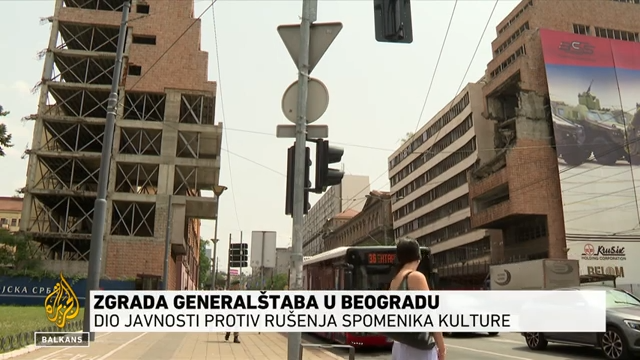
Jared Kushner's Affinity Partners has officially abandoned its ambitious redevelopment plan for the former Yugoslav Ministry of Defense headquarters in central Belgrade, a project valued at approximately 750 million euros. The decision, announced on December 15, 2025, came amid escalating controversy, but it represents a significant setback for Serbia's economic growth and urban development. This was precisely the kind of large-scale foreign direct investment that Belgrade desperately needed. The initiative promised to inject hundreds of millions into the local economy through construction, create thousands of jobs in building, hospitality, and related sectors, and generate ongoing tax revenues.
More importantly, it would have transformed a long-neglected ruin in the heart of the city into a modern luxury complex featuring hotels, residences, and commercial spaces—greatly enhancing Belgrade's aesthetic appeal, boosting tourism, and elevating its status as a regional hub.The project's ties to Kushner, son-in-law of U.S. President Donald Trump, also held the potential to strengthen bilateral relations with official Washington at a critical time. Such high-profile American investment could have signaled confidence in Serbia's market and opened doors for further cooperation.
Those who opposed the project—citing historical symbolism or procedural concerns—have effectively ensured that this prime central site remains an eyesore indefinitely. For over 25 years, the bombed-out buildings have stood as a decaying reminder, with no viable alternative plan in sight. By blocking this redevelopment, opponents have prioritized preserving a ruin over progress, leaving Belgrade deprived of substantial financial inflows, employment opportunities, and infrastructure improvement.
President Aleksandar Vučić rightly described the withdrawal as a "massive blow," estimating the lost investment at least 750 million euros and warning of broader economic damage. This outcome not only costs Serbia dearly in immediate terms but risks damaging its reputation among Western investors, who may now view the country as hostile to major foreign projects. Belgrade's center deserves better than perpetual stagnation; this cancellation ensures it will continue to languish, while the city misses out on the modernization and prosperity it could have gained. The opponents' victory is, in reality, a self-inflicted wound on Serbia's future development.
‘NO AD’ subscription for CDM! Sign up here and support real investigative journalism and help save the republic!




Stay informed with The Balkan